

Wie beeinflusst Kunst die Welt?
Jul 05, 2022
Zuletzt aktualisiert: 26. Juli 2026

Als Menschen tragen wir das Bedürfnis zu erschaffen in uns. Von den frühesten Höhlenmalereien bis zu den größten Kunstwerken der Geschichte nutzen Menschen Kunst, um sich auszudrücken und ein Statement zu setzen. Aber beeinflusst Kunst wirklich die Welt? Manche sagen, Kunst sei nichts weiter als ein Luxus, etwas, das im großen Ganzen keine Rolle spielt. Ich glaube jedoch, dass Kunst eines der mächtigsten Werkzeuge ist, die wir besitzen. Sie kann Meinungen verändern, Bewegungen anstoßen und das Leben von Menschen positiv beeinflussen. Wie also beeinflusst Kunst die Welt? Ich denke, die Antwort ist klar: Kunst zählt. In diesem Blogbeitrag besprechen wir die verschiedenen Wege, auf denen Kunst die Welt um uns herum beeinflusst. Wir gehen außerdem auf die Bedeutung von Kunst in unserer Gesellschaft ein und darauf, wie sie unsere Kultur prägt. Bleiben Sie dran für mehr!
- Frühe menschliche Kunst begann vermutlich mit Höhlenmalereien, die mit natürlichen Pigmenten wie Ocker und Holzkohle hergestellt wurden.
- Renaissance-Gemälde zeigten oft weltliche Motive wie Adlige und mythologische Figuren, im Gegensatz zu den religiösen Szenen der mittelalterlichen europäischen Kunst.
- Leonardo da Vincis Mona Lisa und Vincent van Goghs Sternennacht gehören zu den bekanntesten Gemälden ihrer jeweiligen Epochen.
- Street Art begann als Mittel, um Territorium zu markieren oder Botschaften zu senden, und entwickelte sich später zu einer anerkannten und weithin ausgestellten Kunstform.
Die frühen Pigmente für Höhlen- und Wandmalereien stammten direkt aus der Erde: Ocker, ein natürlicher eisenoxidhaltiger Ton, ergab warme Rot-, Braun- und Gelbtöne, verkohltes Holz lieferte Schwarz, und Kreide oder Kalkstein sorgten für Weiß. Künstler mahlten diese Materialien zu Pulver und mischten sie mit Stoffen wie Tierfett, Pflanzensaft oder Wasser, damit das Pigment auf Stein oder Putz haftete. Diese Abhängigkeit von lokalen, natürlich vorkommenden Materialien bedeutete, dass die verfügbare Farbpalette früher Künstler je nach Region variierte, geprägt von den jeweils vorhandenen Mineralien und organischen Stoffen.
1.Die Geschichte der Kunst
Kunst gibt es seit Beginn der Menschheitsgeschichte. Die ersten Kunstwerke waren wahrscheinlich Malereien an Höhlenwänden, hergestellt mit natürlichen Pigmenten wie Ocker und Holzkohle. Mit der Zeit begannen Menschen, Objekte aus Knochen, Stein und Holz zu schnitzen und zu formen. Schließlich lernten sie, Metallwerkzeuge herzustellen, was noch aufwendigere Gestaltungen ermöglichte. Als die ersten Zivilisationen entstanden, war Kunst bereits ein wesentlicher Bestandteil der menschlichen Kultur. Sie diente zur Ausschmückung von Wohnräumen und öffentlichen Plätzen und spielte eine Rolle bei religiösen Zeremonien. Auch heute ist Kunst ein wichtiger Teil unseres Lebens. Man findet sie in Museen und Galerien, doch zunehmend wird sie auch von ganz normalen Menschen mithilfe digitaler Technologien geschaffen.
Kunst wird oft als eine Geschichte von Meistern und ihren Meisterwerken betrachtet. Große Künstler werden für ihren individuellen Stil und ihre Techniken in Erinnerung behalten, und ihre Werke werden von Museen wie privaten Sammlern gleichermaßen geschätzt. Doch Kunst ist viel mehr als das. Sie erzählt auch die Geschichte davon, wie Menschen im Laufe der Zeit mit ihrer Umgebung interagiert haben. Durch das Studium der Kunstgeschichte können wir die Kulturen, die sie hervorgebracht haben, und die Menschen, die davon geprägt wurden, besser verstehen. Wir sehen, wie sich Kunst im Laufe der Zeit als Reaktion auf politische, soziale und wirtschaftliche Veränderungen gewandelt hat. Und wir können aus den Fehlern und Erfolgen früherer Künstler lernen, um selbst etwas Neues und Schönes zu schaffen. Ob Sie also ein Gemälde von Leonardo da Vinci oder eine Skulptur von Banksy betrachten – denken Sie daran, dass Sie mehr sehen als nur ein ästhetisches Objekt: Sie sehen die Geschichte der Menschheit.
2.Wie spiegelt Kunst die Zeiten und Kulturen wider, in denen sie entsteht?
Kunst wird oft als Spiegel der Zeiten und Kulturen betrachtet, in denen sie entsteht. Das gilt besonders für die bildende Kunst, die Einblicke in die Werte, Überzeugungen und Traditionen einer bestimmten Gesellschaft geben kann. Gemälde aus dem mittelalterlichen Europa zeigen beispielsweise oft religiöse Szenen oder Legenden, während Renaissance-Gemälde häufig weltliche Motive wie Adlige oder mythologische Wesen darstellen. Ebenso wurden moderne Kunstrichtungen wie der Kubismus und der abstrakte Expressionismus von den politischen und sozialen Umwälzungen des frühen 20. Jahrhunderts beeinflusst. Kurz gesagt: Kunst spiegelt die Zeiten und Kulturen wider, in denen sie entsteht, weil sie ein Produkt genau dieser Zeiten und Kulturen ist.
Bestseller, die unsere Leser lieben
Alle Bestseller ansehen → Abstract Art Splatter Impact
 Crimson Impact Abstract Art
 Vivid Impact Abstract Art
Kunst war schon immer ein Spiegel der Zeiten und Kulturen, in denen sie entstand. Von den stilisierten Gemälden des alten Ägyptens bis zu den prunkvollen Barockschlössern Europas spiegelt Kunst die Werte und Überzeugungen der Gesellschaften wider, die sie hervorgebracht haben. Das gilt besonders für moderne Kunst auf Leinwand, die häufig direkt zu den politischen und gesellschaftlichen Themen ihrer Zeit Stellung bezieht. So inspirierte etwa das Massaker von Nochistlán in Mexiko eine Reihe von Gemälden von Diego Rivera, die die Brutalität des Ereignisses darstellten. Ebenso führten die Anschläge vom 11. September zu einer Welle von Kunstwerken, die sich mit Verlust, Trauer und Widerstandskraft auseinandersetzten. In jedem Fall bietet Kunst ein einzigartiges Fenster in die Kultur und Geschichte ihrer Zeit.
3.Welche berühmten Kunstwerke gibt es und welche Bedeutung haben sie?
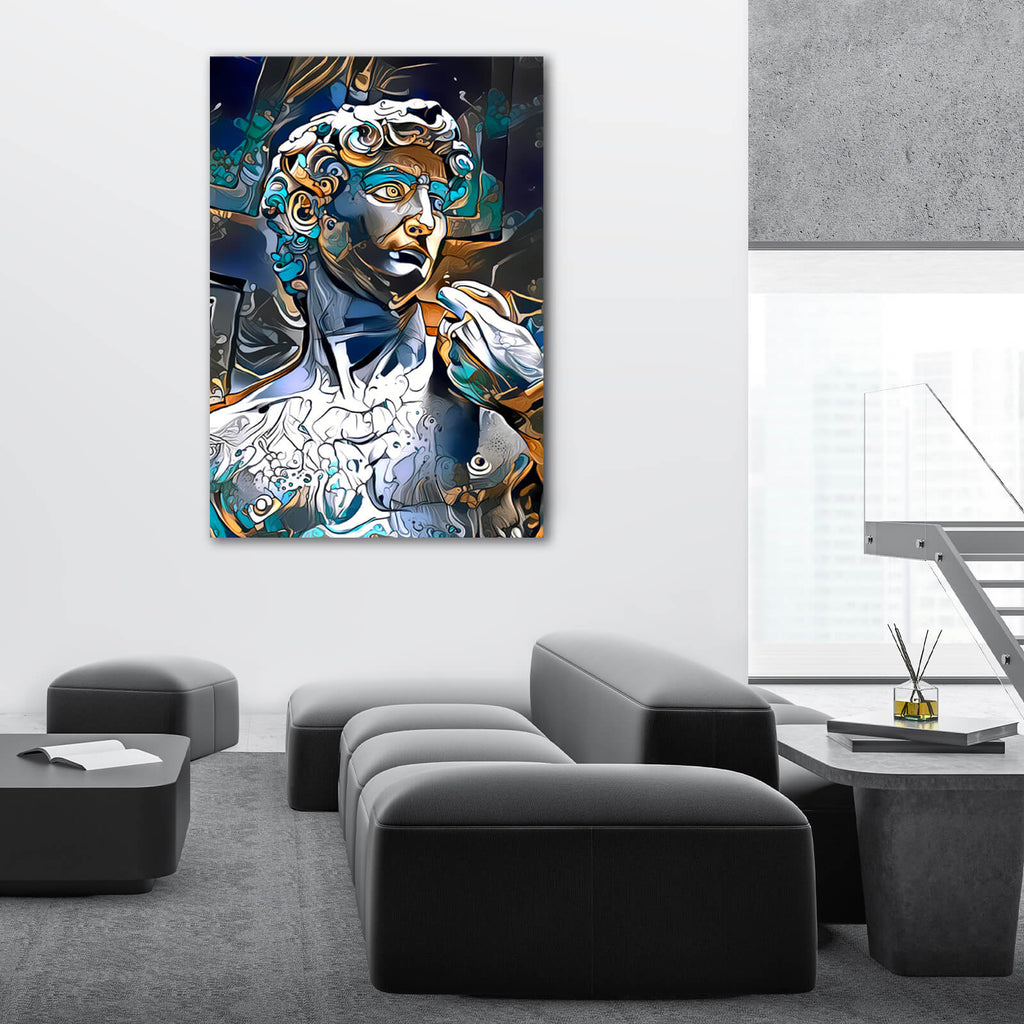
Ein Blick auf berühmte Kunstwerke kann uns ein Fenster in die Vergangenheit öffnen und zeigen, wie Menschen lebten und was ihnen wichtig war. Das altägyptische Grabgemälde bekannt als „Der Zug der Edlen“ zeigt beispielsweise eine Gruppe von Adligen, die durch die Wüste reist. Das Gemälde ist nicht nur wegen seiner eindrucksvollen Farben und Komposition bedeutsam, sondern auch wegen dessen, was es uns über die ägyptische Gesellschaft jener Zeit verrät. Das Grabgemälde zeigt uns, dass die Ägypter selbst inmitten einer kargen Landschaft in der Lage waren, schöne und komplexe Kunstwerke zu schaffen. Es erinnert uns daran, dass Menschen auch in schwierigen Zeiten die Fähigkeit besitzen, Schönheit zu erschaffen. Weitere berühmte Kunstwerke sind Leonardo da Vincis „Mona Lisa“, bekannt für ihr geheimnisvolles Lächeln, und Vincent van Goghs „Sternennacht“, eines der ikonischsten Gemälde der modernen Ära. Diese Kunstwerke sind nicht nur wegen ihres künstlerischen Werts bedeutsam, sondern auch dafür, wie sehr sie zu Sinnbildern der Kulturen geworden sind, die sie hervorgebracht haben.
4.Der Einfluss von Street Art auf die Welt
Street Art ist eine Form der bildenden Kunst, die im öffentlichen Raum zu finden ist, etwa an Wänden, Gebäuden und auf Bürgersteigen. Anders als traditionelle Kunstformen wird Street Art geschaffen, um von der breiten Öffentlichkeit gesehen zu werden. Street Art kann viele verschiedene Formen annehmen, häufig zählen bunte und kreative Graffiti dazu. Street Art gibt es seit Jahrhunderten, einige der frühesten Beispiele reichen bis ins antike Rom zurück. Doch erst im späten 20. Jahrhundert erlangte Street Art breite Popularität. In den letzten Jahren ist Street Art weltweit immer beliebter geworden. Viele Städte veranstalten heute Street-Art-Festivals und Führungen, bei denen Besucher einige der besten Street-Art-Werke der Welt sehen können. Street Art wird zwar oft mit urbanen Gebieten assoziiert, findet sich aber auch in ländlichen Kleinstädten und sogar in abgelegenen Dörfern. Street Art kann sich positiv auf Gemeinschaften auswirken, indem sie ein Gefühl von Identität und Stolz vermittelt. Sie kann auch genutzt werden, um auf soziale und politische Themen aufmerksam zu machen. Street Art wird oft als eine Form der Rebellion gegen traditionelle Kunstformen gesehen, die häufig als elitär und unzugänglich gelten. Für viele Menschen ist Street Art eine Möglichkeit, ihre Kreativität auszudrücken und ihre Stimme mit der Welt zu teilen. Street Art auf Leinwand aufzuhängen ist eine großartige Möglichkeit, jedem Raum Farbe und Persönlichkeit zu verleihen.
Das könnte Ihnen auch gefallen: Moderne abstrakte Kunst
Alle moderne abstrakte Kunst ansehen → Abstract Art Chaos Burst
 Abstract Art Chaotic Harmony
 Abstract Art Chromatic Flow
Mehr über Street Art erfahren Sie in unserem einzigartigen Ratgeber: Was ist Street Art? Der vollständige Leitfaden zu Street Art.
5.Der Einfluss von Kunst auf die Gesundheit?
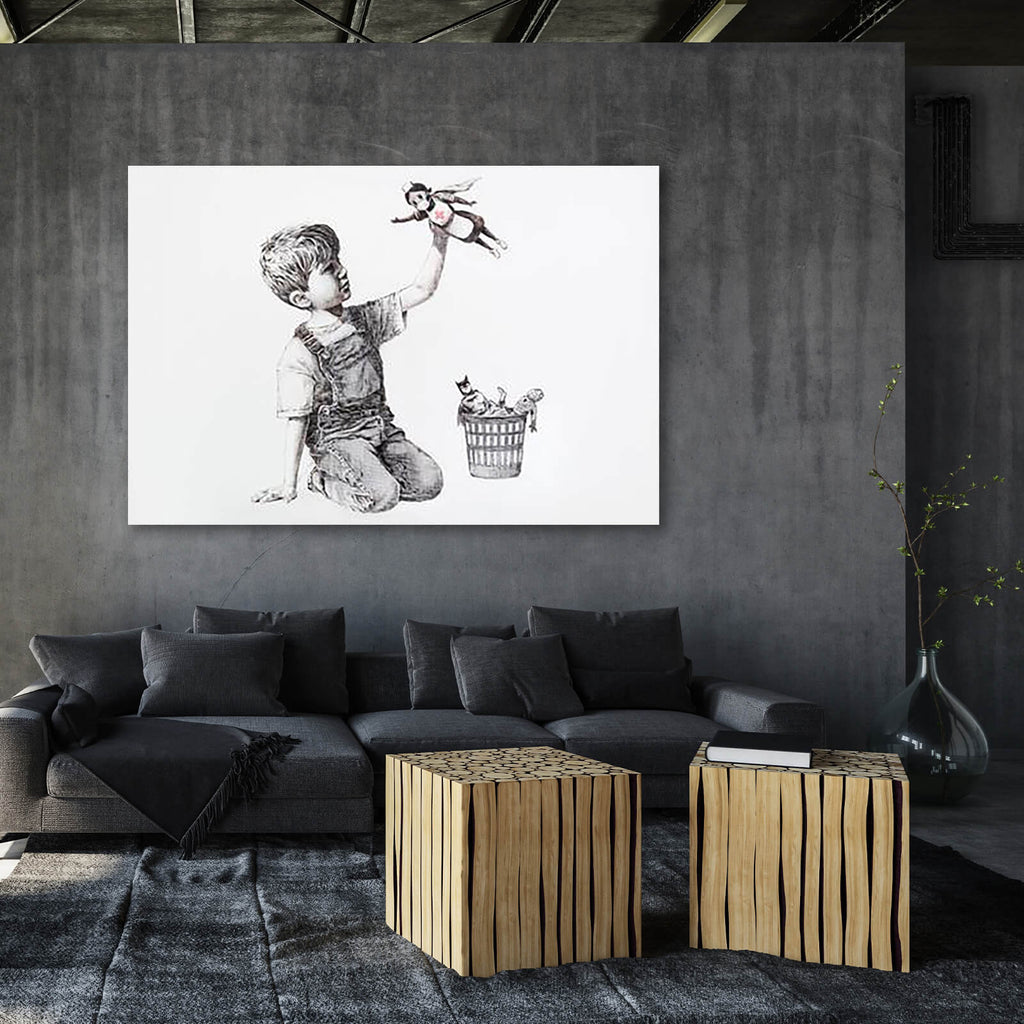
Es ist kein Geheimnis, dass Kunst eine therapeutische Wirkung haben kann. Ob Musik hören, ein Bild malen oder eine Geschichte schreiben – Kunst bietet ein Ventil für Emotionen und kann uns helfen, uns selbst besser zu verstehen. Es gibt inzwischen wissenschaftliche Belege dafür, dass Kunst auch unsere mentale Gesundheit verbessern kann. Studien haben gezeigt, dass Kunst Stress reduzieren, das Selbstwertgefühl steigern und sogar unsere körperliche Gesundheit verbessern kann.
Eine Studie ergab beispielsweise, dass Teilnehmer eines Kunstkurses niedrigere Werte des Stresshormons Cortisol aufwiesen als jene, die nicht daran teilnahmen. Eine andere Studie zeigte, dass Alzheimer-Patienten, die an einem Kunstprogramm teilnahmen, weniger Angst und Depressionen zeigten als jene, die nicht teilnahmen. Darüber hinaus wurde nachgewiesen, dass Kunst das Immunsystem stärkt und die allgemeine körperliche Gesundheit verbessert.
Wenn Sie sich also gestresst oder niedergeschlagen fühlen, greifen Sie zu Pinsel oder Stift und lassen Sie Ihrer Kreativität freien Lauf. Vielleicht stellen Sie fest, dass es wahre Wunder für Ihre mentale Gesundheit bewirkt.
Schlusswort
Auch wenn es schwierig ist, den Einfluss von Kunst auf die Welt zu messen, ist klar, dass er tiefgreifend sein kann. Von der Beeinflussung politischer Bewegungen bis hin zur Entfachung von Kreativität bei Menschen jeden Alters – Kunst hat die Kraft, Leben zu verändern und die Welt zu einem schöneren Ort zu machen. Nehmen Sie sich etwas Zeit, um unsere Kollektion an Street Art auf Leinwand zu entdecken, und überzeugen Sie sich selbst davon, wie diese Werke nicht nur unsere Wände, sondern auch unseren Geist verwandeln. Was denken Sie? Wie beeinflusst Kunst Ihr Leben?
Häufig gestellte Fragen
Wie spiegelt Kunst die Kultur wider, aus der sie stammt?
Kunst spiegelt ihre Kultur wider, weil sie ein unmittelbares Produkt der Werte, Überzeugungen und Ereignisse ihrer Entstehungszeit ist. Mittelalterliche europäische Gemälde etwa drehten sich häufig um religiöse Szenen, während Renaissance-Werke sich hin zu weltlichen Motiven wie Königtum und Mythologie verschoben. Moderne Bewegungen wie der Kubismus und der abstrakte Expressionismus entstanden als Reaktion auf die politischen und sozialen Umwälzungen ihrer Epoche und zeigen, wie eng Kunst die Welt um den Künstler herum widerspiegelt.
Was macht ein Kunstwerk „berühmt“ oder bedeutsam?
Ein Kunstwerk wird in der Regel bedeutsam, wenn es etwas Wesentliches über die Epoche oder Kultur einfängt, die es hervorgebracht hat – über sein technisches Können oder eindrucksvolle Farben und Komposition hinaus. Werke wie die Mona Lisa oder die Sternennacht sind von Dauer, weil sie sowohl eine herausragende künstlerische Leistung als auch ein Fenster in die Geschichte und Denkweise ihrer Zeit darstellen. Ihre Bedeutung wächst oft mit der Zeit, wenn spätere Generationen neu interpretieren, was das Werk über die menschliche Erfahrung offenbart.
Wie hat Street Art Gemeinschaften verändert?
Street Art kann Gemeinschaften ein Gefühl von Identität und Stolz vermitteln und zugleich auf sehr sichtbare, öffentliche Weise auf soziale und politische Themen aufmerksam machen. Da sie in gemeinsam genutzten Räumen statt in Galerien gezeigt wird, erreicht sie Menschen, die sich sonst vielleicht nicht mit Kunst auseinandersetzen würden, und bietet eine zugänglichere und oft rebellischere Alternative zu traditionellen Kunstformen. Viele Städte veranstalten inzwischen eigene Street-Art-Festivals und -Touren, was zeigt, wie weit sie sich in den kulturellen Mainstream vorgearbeitet hat.
Kann das Betrachten oder Schaffen von Kunst die Gesundheit wirklich verbessern?
Viele Menschen berichten, dass die Auseinandersetzung mit Kunst – sei es durch eigenes Schaffen oder einfaches Betrachten – hilft, Stress abzubauen und die Stimmung insgesamt zu verbessern. Kreative Tätigkeit kann ein emotionales Ventil und eine Auszeit vom Alltagsdruck bieten, was zu einem allgemeinen Wohlbefinden beiträgt. Kunst sollte medizinische Behandlung oder Therapie bei ernsten Erkrankungen zwar nicht ersetzen, wird aber weithin als ergänzendes Mittel eingesetzt, unter anderem in Krankenhäusern und anderen Pflegeeinrichtungen, um Entspannung und Genesung zu unterstützen.


