

How to Create Trippy Art: A Journey Through Psychedelic Creativity
Mar 06, 2024
Last updated: 26 July 2026
- Trippy art, also called psychedelic art, emerged in the 1960s as a visual counterpart to psychedelic music and countercultural movements.
- The word "psychedelic" was coined by psychiatrist Humphry Osmond and means "mind-manifesting," describing the goal of this art style.
- Central to psychedelic aesthetics is synesthesia, the blending of senses, which the art tries to evoke through color and pattern alone.
- Trippy art can be made with traditional paints and brushes or digital tools like Photoshop and Procreate, and often blends both approaches.
Introduction
Imagine diving into a world where colors dance and reality bends – welcome to the realm of trippy art. This unique art form, characterized by its vibrant colors, surreal landscapes, and mind-bending patterns, offers more than just visual stimulation; it's a gateway to a deeper, more psychedelic understanding of art. Originating from the swirling, rebellious energy of the 1960s, trippy art has evolved, finding new expressions in the digital age. In this article, we'll explore the fascinating world of psychedelic creativity, from its rich history to practical tips on creating your own trippy masterpieces. For those seeking visual inspiration, the MusaArtGallery offers an eclectic collection of trippy artwork that exemplifies this style's captivating essence. So, let's embark on this colorful journey and unlock the secrets of creating mesmerizing trippy art.
The History of Trippy Art
Trippy art, often synonymous with psychedelic art, traces its origins back to the early 1960s, a time of social upheaval and cultural revolution. The term 'psychedelic' itself, coined by psychiatrist Humphry Osmond, means "mind-manifesting," aptly capturing the essence of this art form. It emerged as a visual counterpart to the psychedelic music and countercultural movements sweeping across the globe.
This period witnessed the rise of iconic figures like the Grateful Dead and Pink Floyd, whose music became intertwined with the visual explosion of colors and patterns that defined trippy art. Artists like Peter Max and Victor Moscoso pushed boundaries with their vivid, often surreal imagery, inspired by the free-spirited ethos of the era. These works weren't just decorative; they were gateways to deeper consciousness and reflections of a generation's quest for meaning and freedom.
As we moved into the 70s and beyond, trippy art didn't fade away; instead, it evolved. It found new life in the digital realm, with artists experimenting with software and 3D modeling to create visuals that were impossible in the physical world. Today, trippy art continues to be a dynamic and evolving form, absorbing influences and utilizing technologies that previous generations could only dream of.
Trippy & Psychedelic Art our readers love
Shop all Trippy & Psychedelic Art → City Psychedelic Canvas Print
 Psychedelic Whale Art
 3D Man Trippy Art
Understanding the Psychedelic Aesthetic
Trippy art is not just about vibrant colors and swirling patterns; it's an exploration into the depths of perception and consciousness. The psychedelic aesthetic is heavily characterized by an intense kaleidoscope of colors, often clashing or blending in unexpected ways to create a sense of movement and depth. This art form frequently features morphing shapes and symmetrical patterns that play tricks on the eye, inviting viewers to question their perception of reality.
Central to this aesthetic is the concept of synesthesia - a blending of the senses. Just as a psychedelic experience might involve 'seeing' sounds or 'hearing' colors, trippy art often seeks to evoke a multi-sensory experience in the viewer. It's not uncommon for this art to be experienced alongside music, creating a holistic sensory environment that is immersive and transcendental.
Furthermore, trippy art often draws on themes of nature, spirituality, and cosmic imagery. It might depict surreal landscapes that defy the laws of physics, or intricate mandalas that symbolize the universe's interconnectedness. The goal is often to evoke a sense of awe and wonder, to transport the viewer to a space that transcends the ordinary.

Finding Inspiration
Inspiration for trippy art can come from anywhere - the natural world, dreams, spiritual experiences, or even your daily surroundings. Many artists draw inspiration from their own psychedelic experiences, translating the ineffable aspects of these journeys into visual form. However, you don't need to have a psychedelic experience to create trippy art. Inspiration can also be found in the works of other artists, music, or the exploration of your inner psyche.
Visiting galleries, both physical and online, like MusaArtGallery, can spark ideas. These spaces often showcase a range of trippy artworks, providing a wealth of visual material to stimulate your creativity. Additionally, engaging with the community of psychedelic artists and enthusiasts can offer new perspectives and ideas.
Keeping an open mind and a curious spirit is key. Trippy art is about exploration and experimentation. Whether you're wandering through nature, listening to a piece of music, or diving into the works of other artists, always be ready to capture the sparks of inspiration that come your way.
Color layering is one of the more practical skills behind convincing trippy art, and it works differently depending on the medium. With acrylics or oils, building up thin, semi-transparent layers lets earlier colors show through later ones, creating the sense of depth and shifting hue common in psychedelic work, though each layer needs time to dry before the next is added. Digital painting programs simulate this with blend modes and adjustable opacity, letting an artist test how colors interact instantly and undo choices that don't work, which makes it easier to experiment with unusual color combinations without wasting physical materials.
Tools and Materials
The creation of trippy art can be approached through various mediums, each offering its unique texture and possibilities. Traditional artists might gravitate towards canvases, using acrylics or oils to layer vivid colors and create depth. Paints allow for a tactile and hands-on approach, ideal for spontaneous expression and organic forms. Brushes, sponges, and even fingers become tools to blend, dab, and smear, creating ethereal and dreamlike scenes.
You might also love: Cyberpunk & Digital Art
Shop all Cyberpunk & Digital Art → Neon Journey Cyberpunk Art
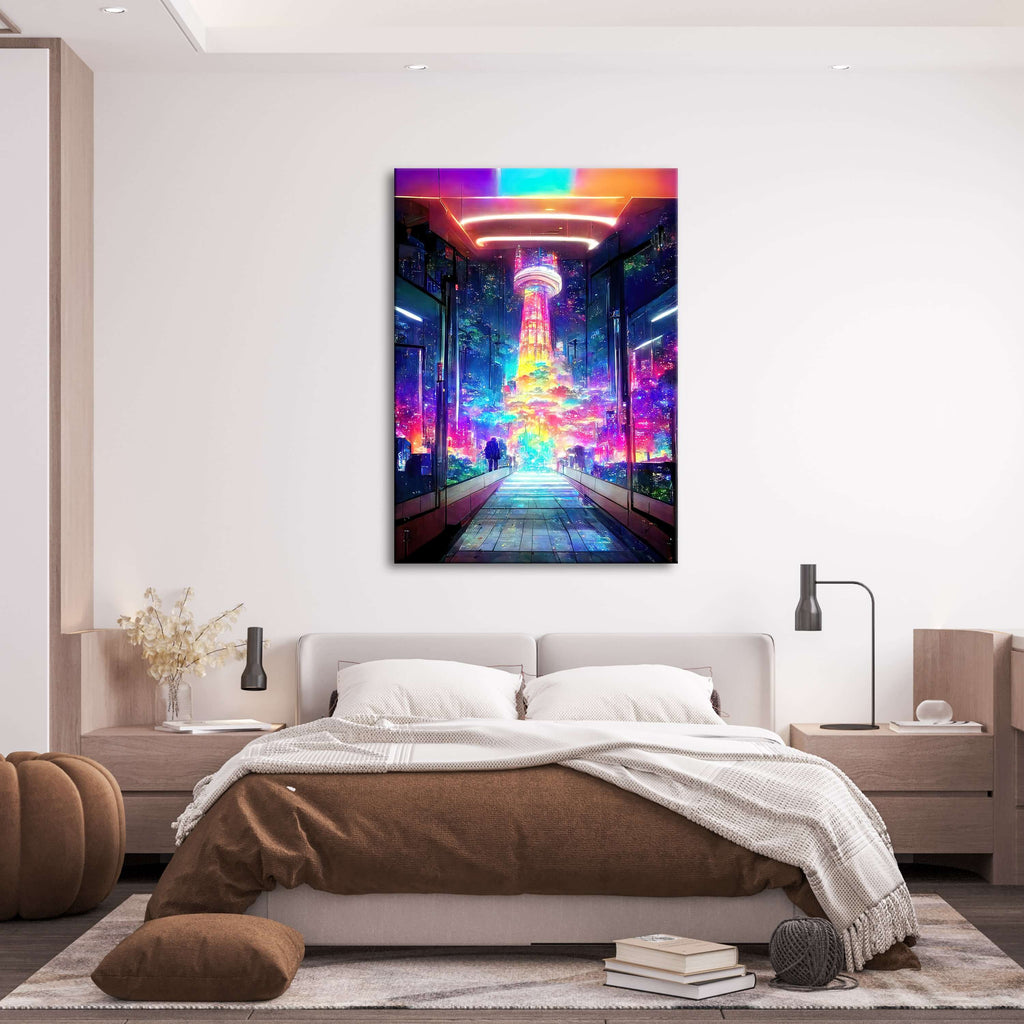
 Futuristic Trippy Art
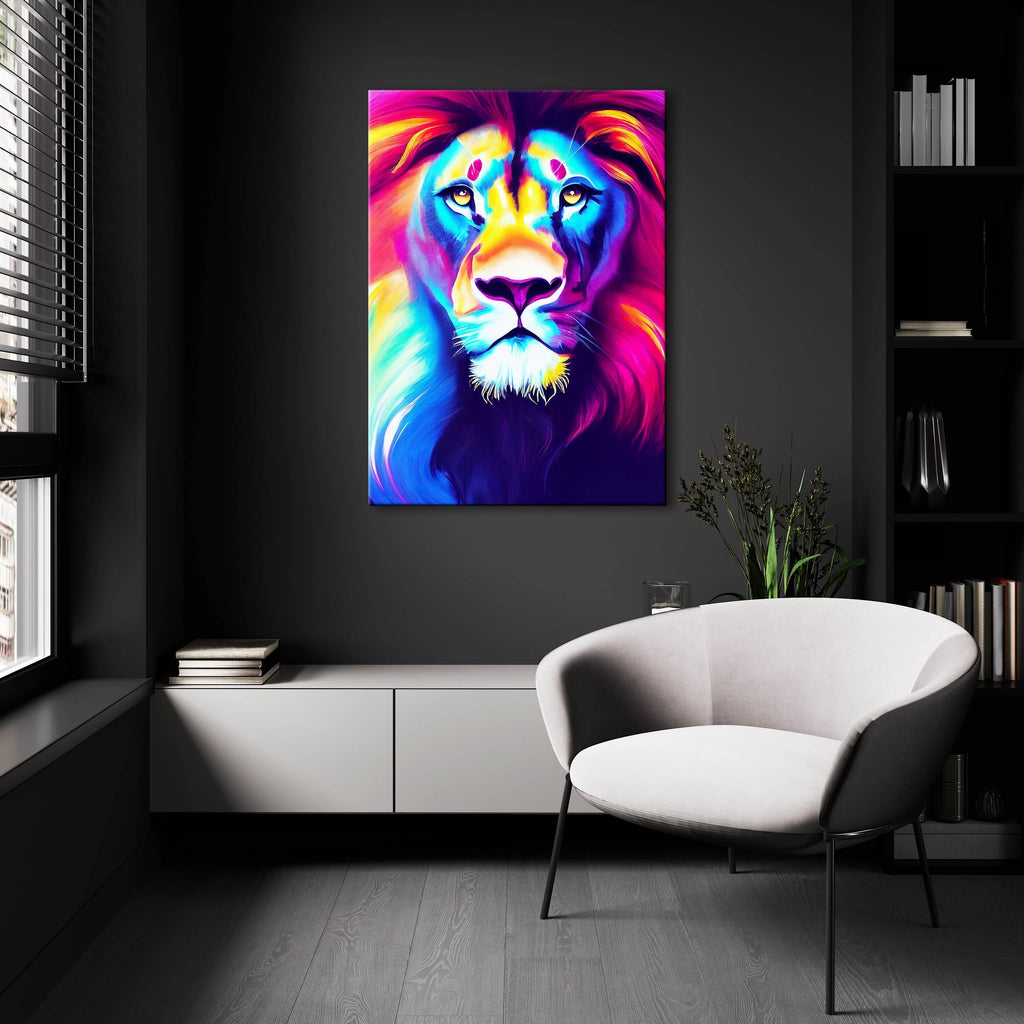
 Lion Wall Art Neon Journey
For those inclined towards digital mediums, the choices are equally rich. Software like Adobe Photoshop, Illustrator, and digital painting programs like Procreate or Corel Painter open up limitless possibilities. With these, an artist can experiment with colors, shapes, and textures that might be challenging to replicate with physical paints. Digital tools also offer the advantage of undoing changes, making it easier to experiment without fear of making irreversible mistakes.
Hybrid approaches can also be fascinating in trippy art. Artists might start with a traditional sketch or painting, then digitize their work to further enhance and manipulate the image. This blending of old and new techniques is a testament to the evolving nature of psychedelic art.
Creating Your First Piece of Trippy Art
Embarking on your first trippy art project can be both exciting and daunting. Start by setting a comfortable workspace, whether it's a physical canvas in your studio or a digital tablet. Begin with an idea or concept in mind, but be open to the flow of creativity – sometimes the most striking images come from spontaneous bursts of inspiration.
Sketch out your ideas loosely. In trippy art, symmetry and patterns are often key elements, so consider incorporating these into your design. However, don’t be afraid to break the rules and let your artwork evolve organically. Play with colors boldly; in psychedelic art, more is often more. Vibrant, contrasting colors can create a dynamic, eye-catching effect.
As you work, step back from your piece periodically. This allows you to view the work as a whole and see how different elements interact. Remember, the goal is to create an immersive experience for the viewer, one that captivates and enchants.
Throughout the process, remain patient and open-minded. Creating art is a journey, and like any good trip, it’s about the experience as much as the destination.
Conclusion:
In the vibrant universe of trippy art, we find a dynamic fusion of imagination, color, and boundless creativity. As we've journeyed through the history, techniques, and inspirations behind psychedelic art, it's clear that this genre is more than just an aesthetic; it's a portal to new perspectives and heightened consciousness. Whether you're a budding artist inspired by the works showcased at MusaArtGallery or a seasoned creator looking to explore new realms, trippy art offers a canvas where the only limit is your imagination. Embrace the journey of creating art that transcends the ordinary, and let your creative spirit soar into the kaleidoscopic skies of psychedelic artistry.
Frequently Asked Questions
What does "psychedelic" mean in the context of art?
The word "psychedelic" was coined by psychiatrist Humphry Osmond and translates roughly to "mind-manifesting." In trippy or psychedelic art, this refers to work that aims to represent altered states of perception and consciousness rather than the physical world. The style emerged as a visual counterpart to the psychedelic music and countercultural movements of the era, using color and pattern to suggest experiences beyond ordinary perception.
Do you need to have had a psychedelic experience to create trippy art?
No, direct psychedelic experience is not required to create trippy art. Inspiration can come from many sources, including nature, dreams, music, or simply studying the work of other artists in the genre. Visiting galleries, engaging with communities of psychedelic artists, and staying curious and open-minded are all ways to build ideas for this style without relying on any specific personal experience.
What materials are used to create trippy art?
Trippy art can be created with traditional materials like acrylics or oils on canvas, using brushes, sponges or even fingers to blend and layer color for an organic feel. Digital tools such as Photoshop, Illustrator, Procreate or Corel Painter offer another route, allowing colors, shapes and textures that are harder to achieve by hand. Some artists combine both, starting with a traditional sketch before digitizing and refining the image further.
What is synesthesia and why does it matter for trippy art?
Synesthesia refers to a blending of the senses, such as perceiving sound as color or color as sound. Trippy art often tries to evoke this kind of multi-sensory experience through its use of intense, layered color and morphing pattern, which is part of why it is frequently experienced alongside music. This aim of engaging more than sight alone is central to the psychedelic aesthetic.


